





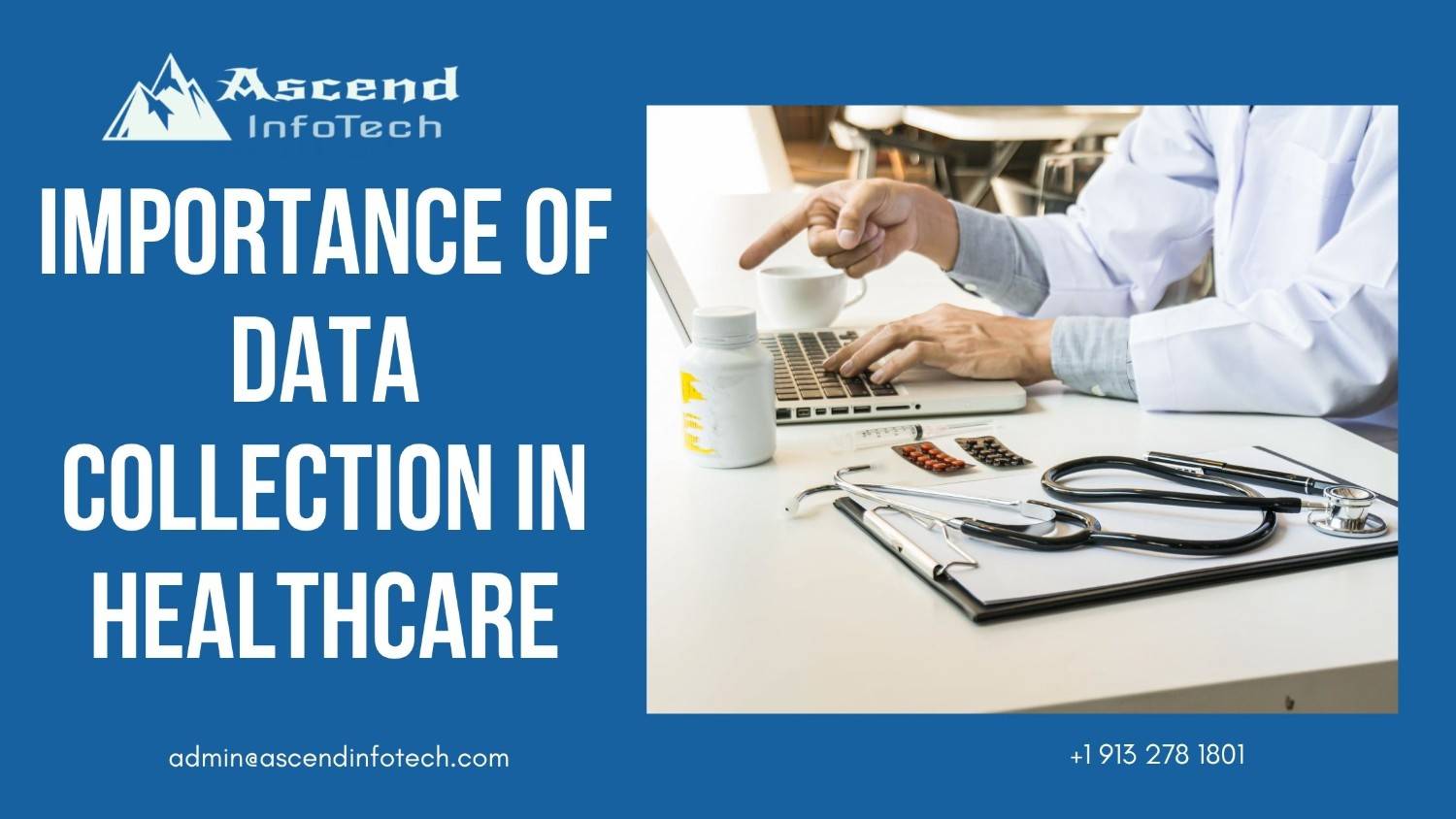
What is the Importance of Data Collection in Healthcare?
In today’s digital era, healthcare has become more than just doctors treating patients; it’s about understanding people through data. Every hospital visit, diagnosis, prescription, or lab result generates valuable information that, when properly collected and analyzed, can lead to better health outcomes, efficient hospital operations, and groundbreaking medical research. This is where data collection in healthcare comes into play.
Data collection in healthcare refers to the systematic process of gathering, measuring, and analyzing patient and operational information to support decision-making and improve the overall quality of care. From patient health records to wearable device readings, healthcare data fuels innovation, precision medicine, and evidence-based practice.
Let’s explore how data collection is transforming healthcare, why it’s so important, the types of data involved, how it’s gathered, and what challenges and opportunities lie ahead.
Why Data Collection is Important in Healthcare?
Data collection forms the backbone of a modern healthcare system. It ensures that medical professionals have the right information at the right time to make informed decisions. Here are key reasons why data collection is essential:
1. Enhances Patient Care
Accurate data enables personalized treatment. By analyzing a patient’s medical history, allergies, previous treatments, and genetic information, doctors can create customized care plans. For example, chronic disease management programs rely on consistent data collection to monitor conditions like diabetes or heart disease and adjust treatment accordingly.
2. Improves Diagnostic Accuracy
Healthcare data helps identify patterns that may not be obvious during a single patient visit. For instance, artificial intelligence (AI) systems trained on large datasets can detect early signs of cancer in medical images faster and more accurately than traditional methods. This leads to earlier intervention and improved patient outcomes.
3. Optimizes Hospital and Resource Management
Hospitals use data to manage staffing, inventory, and workflow efficiently. Real-time data analytics can predict patient admissions, optimize resource allocation, and reduce waiting times. For instance, data collected from hospital operations can reveal inefficiencies and guide process improvements.
4. Supports Medical Research and Innovation
Data collection fuels clinical research by providing evidence-based insights. Researchers rely on large datasets to study disease trends, test new drugs, and evaluate treatment effectiveness. Without reliable data, medical research would struggle to make meaningful progress.
5. Aids in Public Health Monitoring
Government agencies and healthcare organizations use aggregated data to track disease outbreaks, vaccination rates, and public health risks. For example, during the COVID-19 pandemic, data collection played a critical role in identifying hotspots, managing resources, and guiding public health policies.
Key Types of Healthcare Data
Healthcare data is diverse and multidimensional. Understanding its types helps in designing better collection and management systems.
1. Patient Medical Records
These include a patient’s medical history, allergies, medications, previous diagnoses, and treatment outcomes. They form the foundation of personalized healthcare.
2. Electronic Health Records (EHRs)
Electronic Health Records are digital versions of patient records that allow seamless information sharing among healthcare providers. They integrate clinical data, lab results, prescriptions, and imaging reports.
3. Clinical Trial Data
Collected during medical research, this data includes patient responses to new treatments, side effects, and overall outcomes. It is vital for developing safe and effective medications.
4. Administrative and Financial Data
Covers hospital operations, billing, insurance claims, and resource utilization. Such data helps improve efficiency and cost management.
5. Behavioral and Lifestyle Data
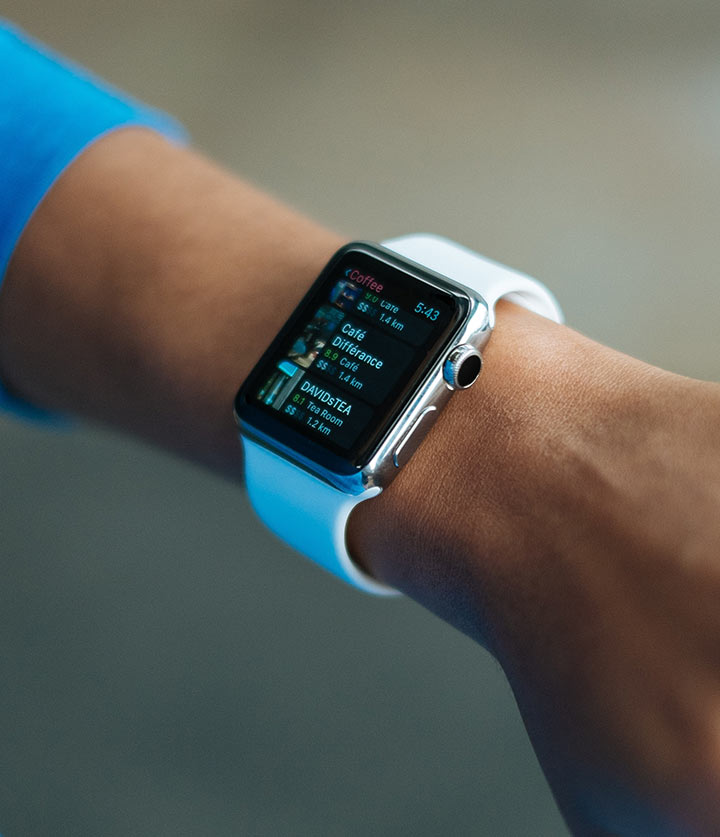
Information from fitness trackers, wearable devices, and patient self-reports provides insights into habits like exercise, diet, and sleep patterns.
6. Genomic and Biometric Data
Genomic data helps in precision medicine by revealing genetic predispositions to certain diseases. Biometric data (e.g., fingerprints, facial recognition, heart rate) enhances both healthcare and security processes.
7. Population Health Data
This includes aggregated information about communities or regions, used for public health analysis, epidemic tracking, and healthcare planning.
How Data is Collected in Healthcare?
Data collection in healthcare can be manual, digital, or automated; depending on the system and purpose. Below are the major methods:
1. Manual Data Collection
- Involves handwritten notes, patient surveys, or physical forms.
- Common in small clinics or areas lacking digital infrastructure.
- While useful, it’s prone to human error and time inefficiency
2. Electronic Health Record (EHR) Systems
- Digitally stores all patient information in one place.
- Allows healthcare professionals to update, share, and access records securely.
- Reduces duplication of tests and improves care coordination.
3. Medical Devices and IoT Sensors
- Smart medical devices like glucose monitors, ECG machines, and wearable trackers continuously collect patient data.
- Internet of Things (IoT) enables real-time health monitoring and remote care.
4. Mobile Health (mHealth) Applications
- Mobile apps record patient activities, medication schedules, and symptoms.
- Encourages patient engagement and self-management of chronic conditions.
5. Laboratory and Imaging Systems
- Labs and imaging centers use digital systems to capture and transmit results directly into hospital databases, reducing manual entry errors.
6. Surveys and Public Health Databases
- National health surveys and disease registries collect data on large populations to inform public health policies.
Benefits of Proper Data Collection in Healthcare
When data is collected effectively, the benefits extend across the entire healthcare ecosystem; from patients to policymakers.
1. Personalized and Precision Medicine
With access to detailed patient data, doctors can design treatments tailored to an individual’s genetic makeup, lifestyle, and medical history. This leads to more effective care with fewer side effects.
2. Improved Decision-Making
Real-time data analytics help healthcare professionals make evidence-based decisions. Predictive analytics can even forecast potential health risks before they manifest.
3. Enhanced Patient Safety
Data-driven systems can flag potential medication errors, allergic reactions, or contraindications, reducing adverse events.
4. Efficient Resource Management
Hospitals can optimize bed occupancy, staff scheduling, and supply chains using predictive data models, minimizing waste and costs.
5. Better Public Health Outcomes
Aggregated health data allows governments and organizations to design targeted health interventions, track epidemics, and improve vaccination campaigns.
6. Accelerated Medical Research
Accurate data speeds up clinical trials and supports the discovery of new treatments. Big data analytics has made it possible to process years of research in days.
7. Transparency and Accountability
Data collection ensures transparency in healthcare operations, helping monitor performance and compliance with healthcare standards.
Challenges in Healthcare Data Collection
Despite its advantages, data collection in healthcare faces several obstacles that need strategic solutions.
1. Data Privacy and Security
Patient data is highly sensitive. Breaches can lead to identity theft and loss of trust. Ensuring compliance with laws like HIPAA (Health Insurance Portability and Accountability Act) and using encryption and access controls is vital.
2. Interoperability Issues
Different healthcare systems often use incompatible software, making data sharing difficult. Adopting common data standards (like HL7 or FHIR) can improve interoperability.
3. Data Accuracy and Quality
Incomplete or incorrect data can lead to wrong diagnoses and decisions. Regular audits, staff training, and automated validation systems help maintain accuracy.
4. High Implementation Costs
Digitizing records and maintaining secure IT infrastructure can be expensive for small healthcare organizations. Governments and NGOs can support through funding and training programs.
5. Ethical and Legal Concerns
Consent management, data ownership, and ethical use of patient information are ongoing debates in healthcare. Establishing clear regulations ensures responsible data use.
The Future of Data-Driven Healthcare
The future of healthcare is undeniably data-driven. Emerging technologies such as Artificial Intelligence (AI), Machine Learning (ML), and Blockchain are revolutionizing how data is collected, analyzed, and secured.
- AI and ML will enhance predictive diagnostics, automate administrative tasks, and uncover new medical insights.
- Blockchain technology promises tamper-proof and transparent data sharing among healthcare providers.
- Remote patient monitoring and telemedicine will become standard, supported by continuous data collection from wearable devices.
- Global data collaboration will accelerate medical discoveries and improve global health outcomes.
As healthcare evolves, the ability to collect, interpret, and act upon data will define the success of healthcare systems worldwide.
Conclusion
Data collection in healthcare is not just about storing information; it’s about saving lives, improving systems, and advancing science. From ensuring accurate diagnoses to powering medical innovations, effective data management is at the heart of every successful healthcare system.
While challenges like privacy, cost, and interoperability remain, the ongoing digital transformation and adoption of new technologies are paving the way for a smarter, more efficient, and patient-centered healthcare future.
In short, data is the new lifeblood of healthcare, driving decisions, innovation, and outcomes that ultimately benefit everyone; from individual patients to global populations.
Frequently Asked Questions (FAQs)
Healthcare data collection is the process of gathering and recording patient and operational information to support diagnosis, treatment, management, and research within healthcare systems.
Data enables evidence-based decisions, improves patient outcomes, enhances hospital efficiency, and drives innovation in medical research and treatment.
The primary sources include electronic health records, patient surveys, clinical trials, wearable devices, medical imaging, and public health databases.
By analyzing a patient’s medical history, genetic data, and real-time health metrics, healthcare providers can offer personalized treatment and preventive care.
Key challenges include maintaining data privacy, ensuring interoperability between systems, preventing errors, and managing high implementation costs.
Technologies like AI, IoT, and blockchain are making data collection faster, more accurate, and more secure, leading to smarter and more connected healthcare systems.
The future involves real-time data monitoring, predictive healthcare, and global data sharing — enabling early diagnosis, preventive care, and medical breakthroughs.